Emblem of hope for a nation and global biodiversity
This
peaceful, bamboo-eating member of the bear family faces a number of
threats. Its forest habitat is fragmented and populations are small and
isolated from each other. Meanwhile, poaching remains an ever-present
threat.
Over 50 reserves created
By mid-2005, the
Chinese government had established over 50 panda reserves, protecting
more than 10,400km² and over 45% of remaining giant panda habitat.
However, habitat destruction continues to pose a threat to the many pandas living outside these areas.
Currently,
only around 61% of the population, or about 980 pandas, are under
protection in reserves. As China's economy continues its rapid
development, it is more important than ever to ensure the giant panda's
survival.
WWF has been active in giant panda conservation since 1980.
More
recently, WWF has been helping the government of China to undertake its
National Conservation Programme for the giant panda and its habitat.
This
programme has made significant progress: Reserves for this species
cover more than 16,000 km² of forest in and around their habitat. A
survey (released in 2004) revealed that an estimated 1,600 individuals
remain in the wild.
About the panda
The panda is
not special just because it is one of the most well known and
charismatic animals. It is also a very peculiar species, with many
unique and very interesting characteristics.
PANDA POPULATION IN THE WILD
By 2004, there were estimated to be 1,600 pandas alive in the wild.
How
does this compare to past figures? In the first ever mass survey that
took place between 1974-1977, the researchers estimated that there were
around 1,000 -1,100 giant pandas in the wild. In the 2nd ever survey,
done between 1985-1988, again, around 1,000 animals were thought to
exist.
How do you count pandas?
Knowing how many pandas exist in the wild is not an easy task.
In fact, it requires a massive amount of effort and some not very pleasant activities...
Teams
of volunteers trek out into steep, mountainous areas and look for signs
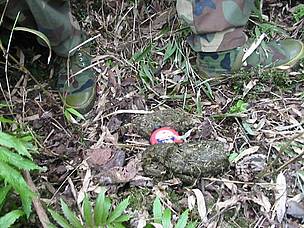
of the panda. The thing they keep an eye out for: dung!
When they find it, they sift through the dung to pick out pieces of undigested bamboo.
The
way they identify individual pandas is from their bite marks on this
undigested bamboo... which are all different (a bit like fingerprints).
Remember
that pandas are solitary and shy animals that usually roam remote and
hard to reach areas in China's bamboo forests and mountains. Often,
researchers have to walk for days and days, inspecting every meter of
the forests for panda poop!
Each
team of researchers is composed of about 40 people who are then divided
into smaller sub-groups. A team can usually cover approximately 80 km2
each day.
Panda’s feces found in Longxi-Hongkou survey.